
Practical tips for DHH families and professionals.
Short articles for parents and caregivers of children with hearing aids and cochlear implants, and for the professionals working with them.
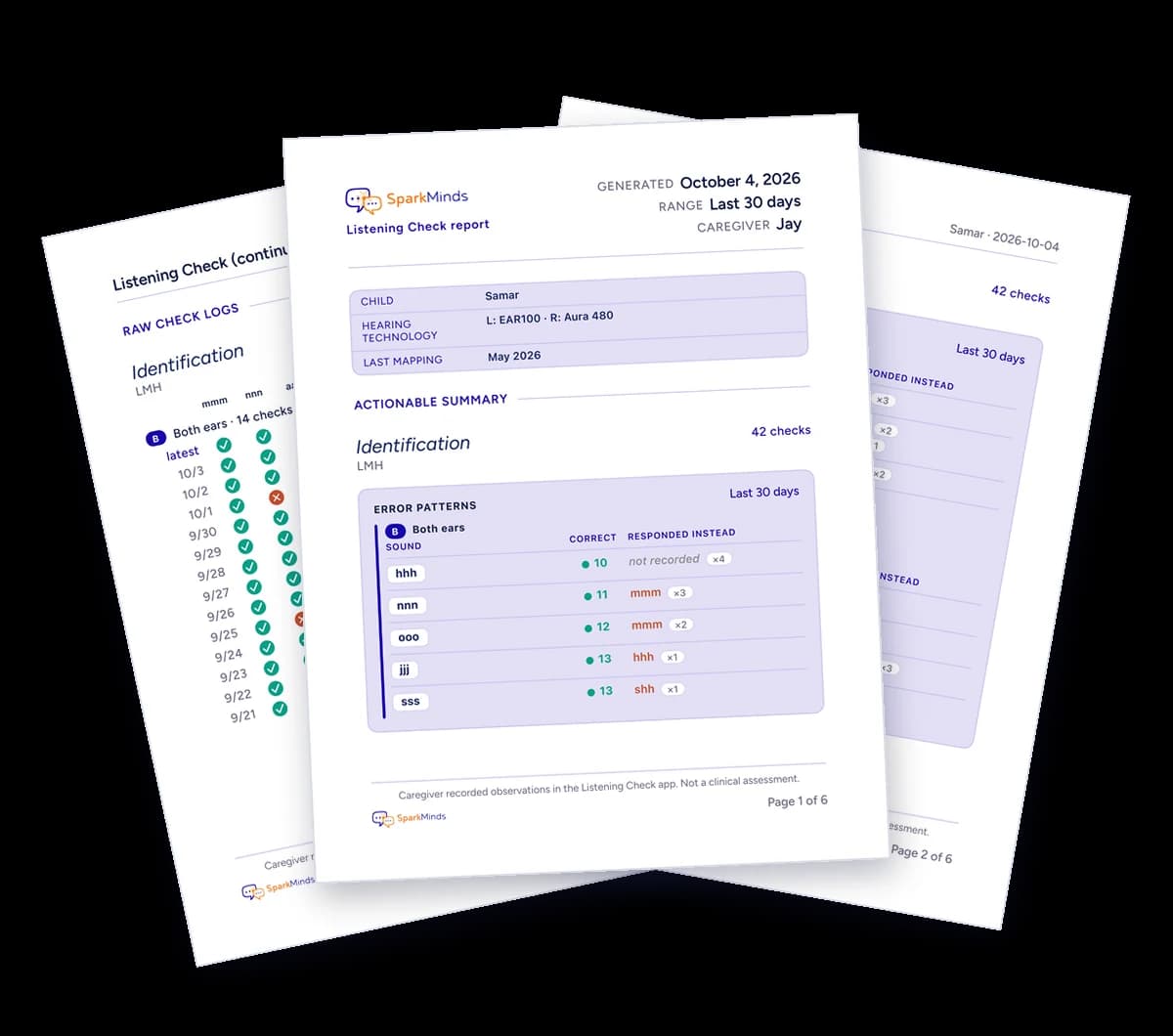
When six sounds aren't quite enough detail, ten sounds, grouped by low, mid, and high frequencies, show you the shape of your child's hearing across the speech range. Here's when LMH is worth the little bit of extra time.
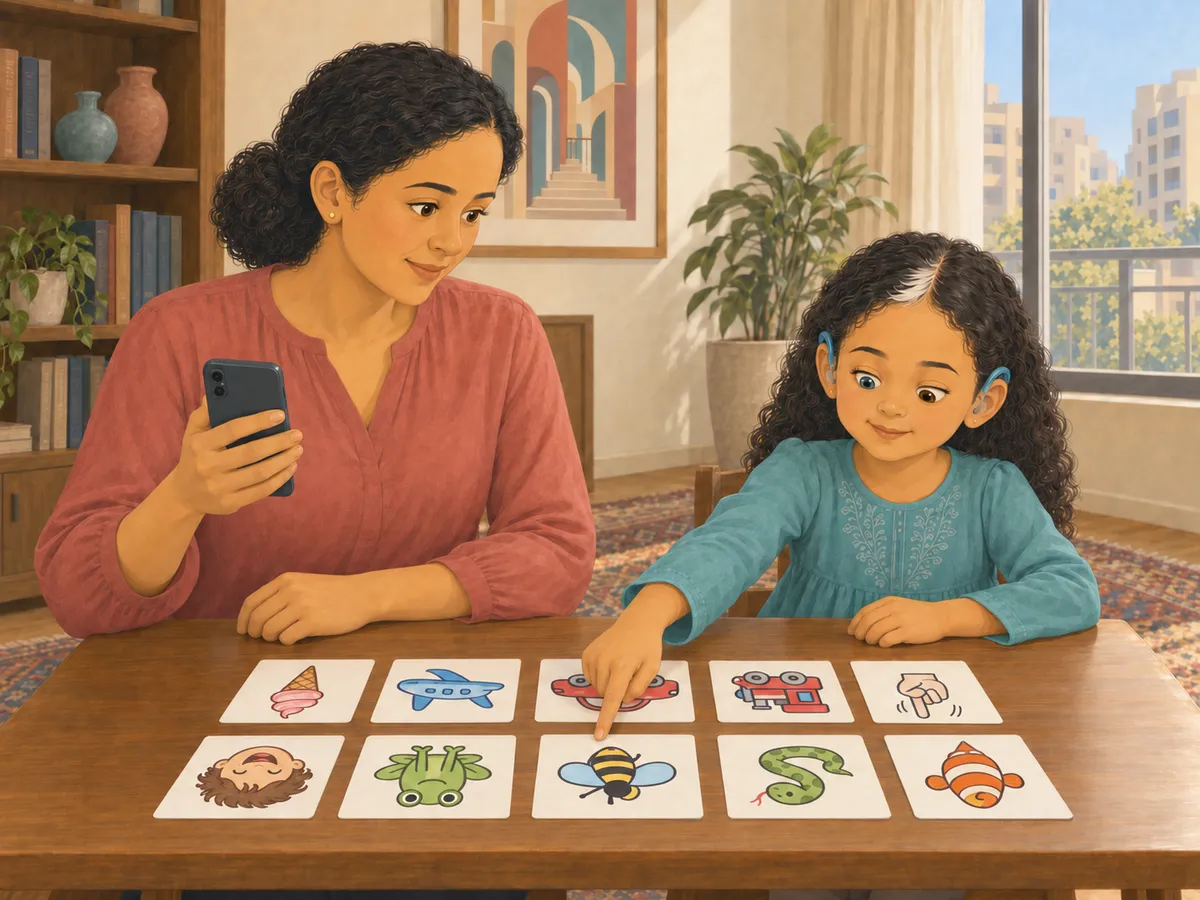
Six simple sounds, about two minutes, and one of the most useful things you can do every day. Here's what the Ling 6 check is, and how to fit it into the home routine.
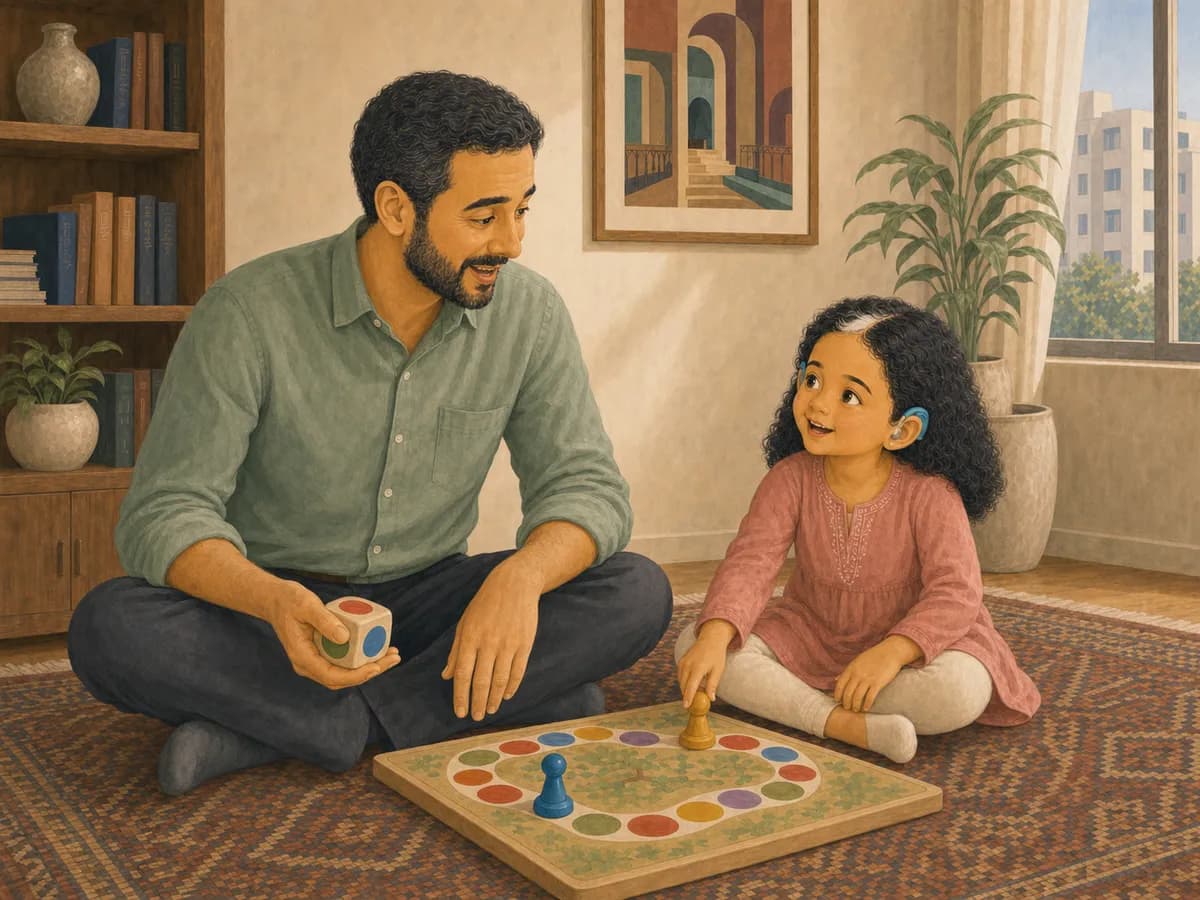
Every skill your child learns starts as something you teach on purpose and ends as something they do without thinking. Knowing which stage you're in tells you when to guide and prompt, and when to simply play.
Did the sound get in? Did your child know what it was? Could they say it back? Three responses, three different types of checks that give different levels of insight into your child's listening.
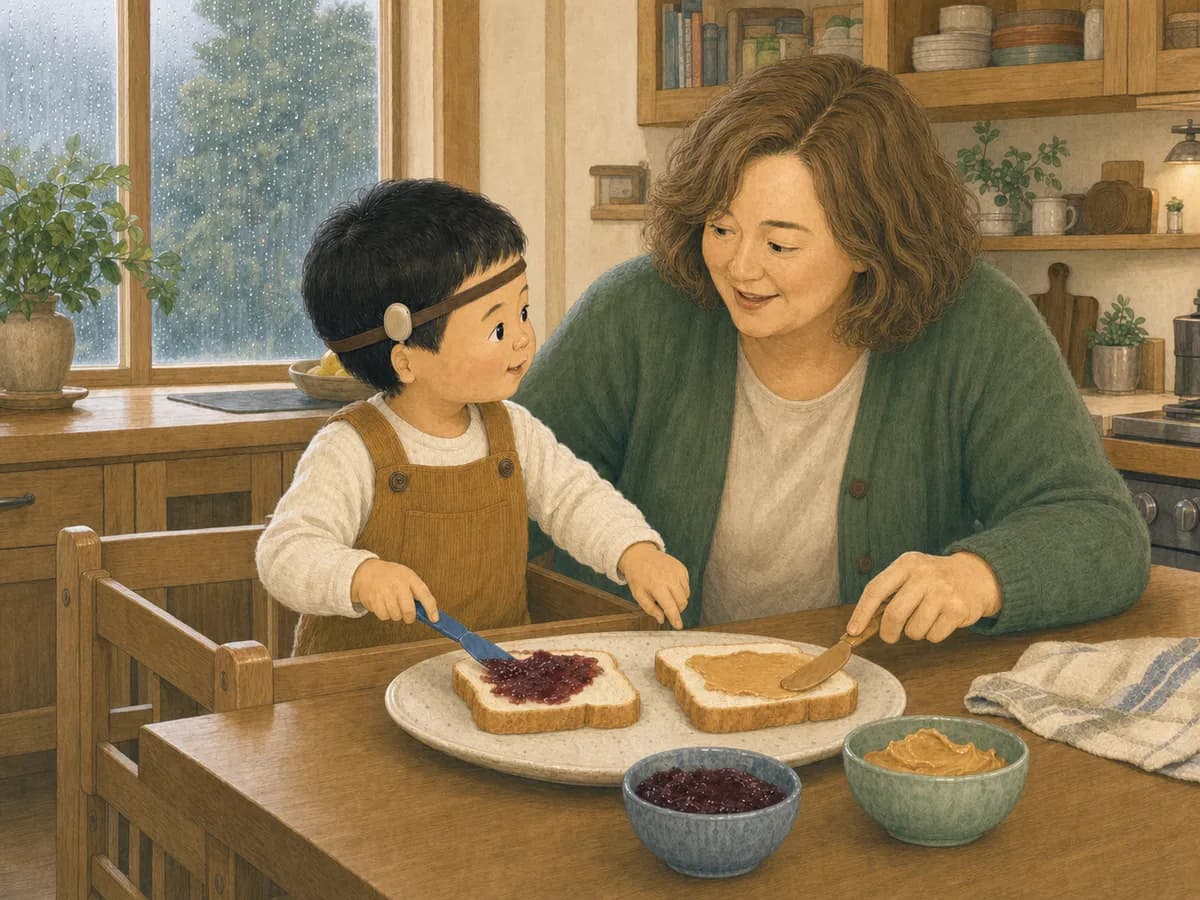
An exercise asks a child to perform language on demand. An opportunity gives them a reason to use language they care about. This distinction makes a world of difference in your child's language development.
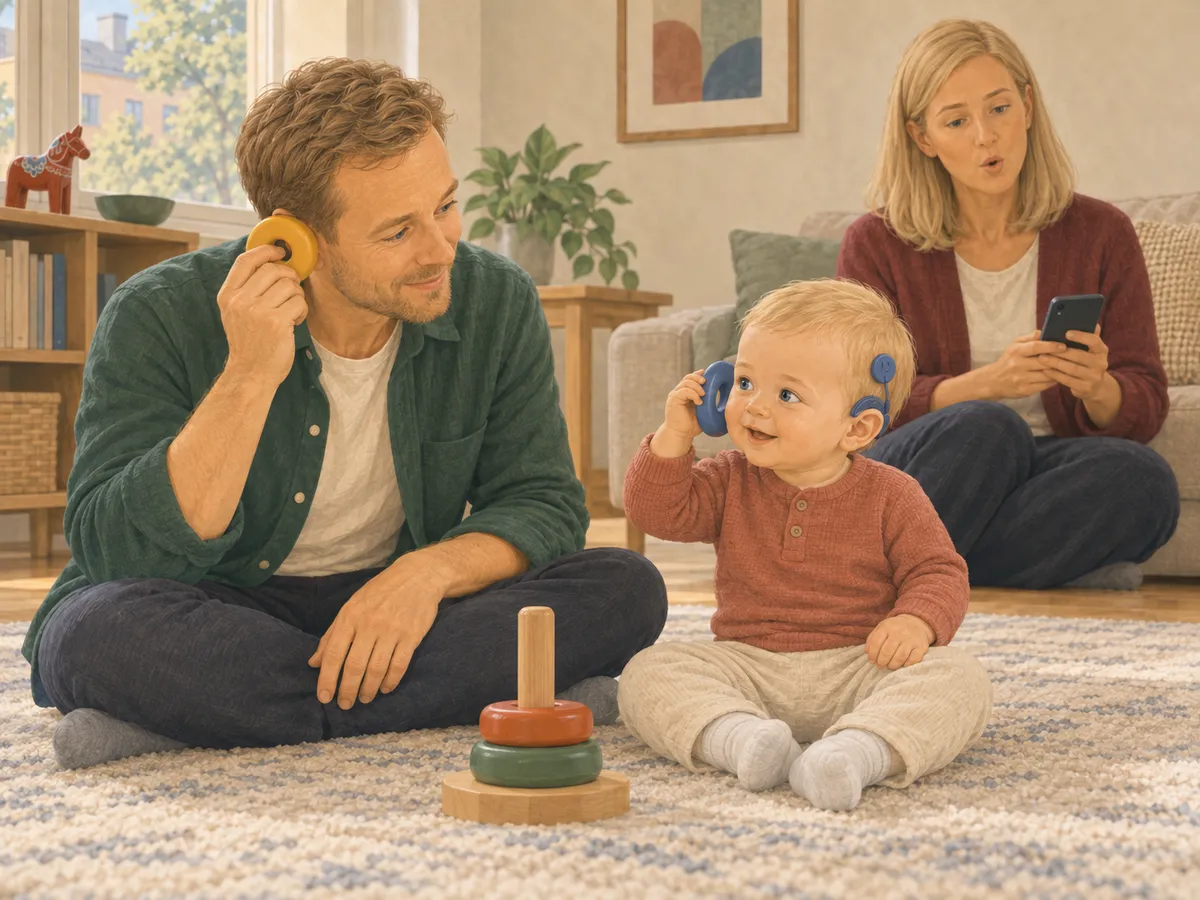
A two-minute check, done most days, gives you the earliest sign when something in your child's hearing has changed. Here's how to run a listening check well, without turning it into a stressful test.
A "refer" result isn't a diagnosis, and it isn't the end of any story. Here's what it really means, the one thing to do this week, and how to be gentle with yourself while you wait.

The appointments begin, and nobody hands you a map: audiologist, ENT, SLP, teacher of the deaf. Here's who does what, and the question you should ask every one of them.

A fair question, from parents and professionals alike: does an app like this replace the people already helping my child? No. Here is exactly how SparkMinds works with your team, and where it stops.

The first years of life really are a unique time for bonding with your child - an important component for early language development. The earlier we start, the easier it is for the child to learn language, and steady, small everyday efforts make a big difference.

Your child points to their favorite toy and looks at you, you bring the toy, and your child smiles. This back-and-forth between you and your child is one of the most important stages in brain development. It lays the foundation for language development.

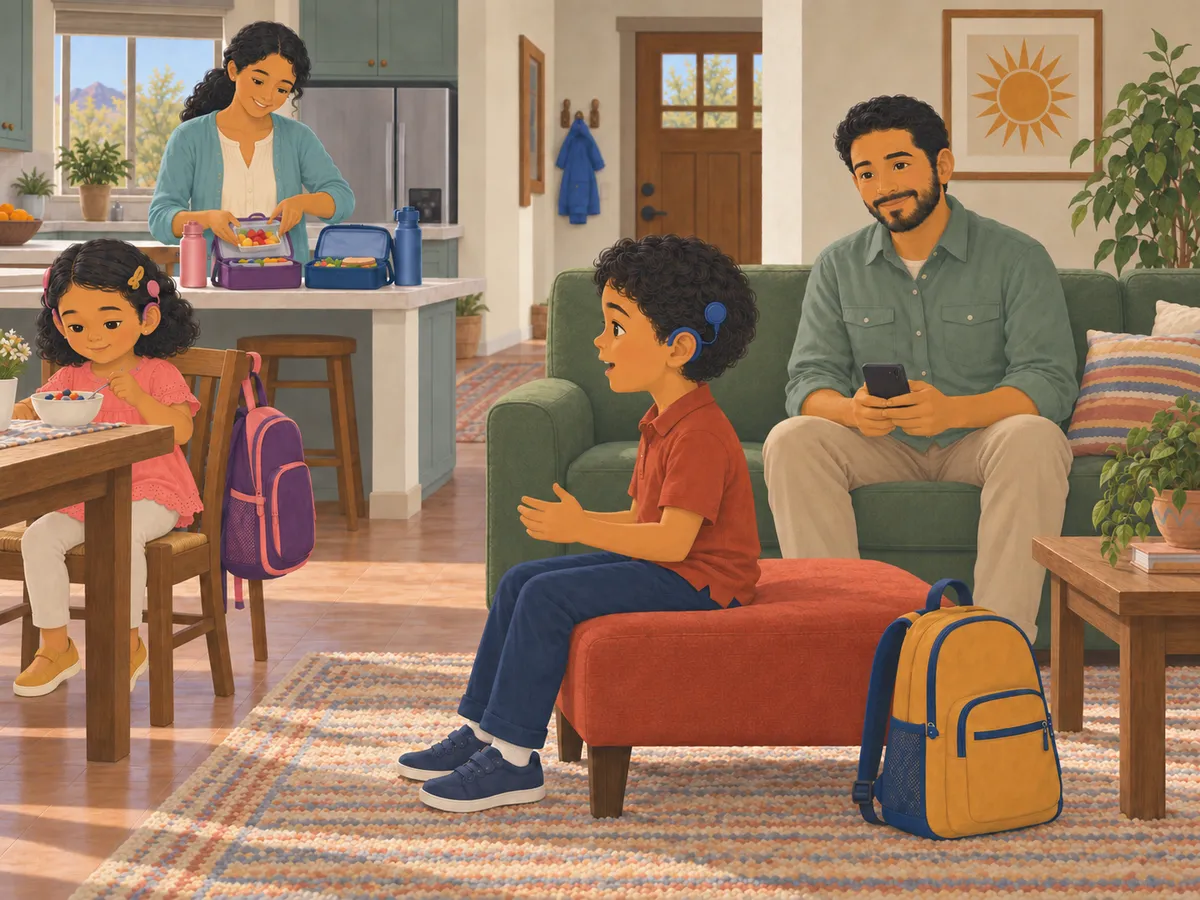
A young child is awake for about 5,000 minutes a week. At most fifty of them are therapy. The language is built in the other 4,950, and you are the one who is there for them.
Want the best of the field, personalized for your child?
SparkMinds combines these established best practices with decades of hands-on experience and turns it into fun daily activities personalized for your family and child.
We're onboarding Founding Families from around the world now.