
Why the early language window matters.
The first years of life really are a unique time for bonding with your child - an important component for early language development. The earlier we start, the easier it is for the child to learn language, and steady, small everyday efforts make a big difference.
The first years of life really are a unique time for bonding with your child - an important component for early language development. While our brains never stop learning, the earlier we start the easier it is for the child to learn language. In these early years, steady, small everyday efforts make a big difference!
If you have a young child who wears hearing aids or cochlear implants, you've probably heard some version of "the first years are critical" or "hearing loss is a neurodevelopmental emergency" more times than you would like. These phrases are true. But they are also often used in a way that turns this opportunity into unactionable anxiety for parents. Here is what "early language window" actually means, and how to make the best use of it.

Image description: Nine-month-old Chinese-Australian baby Lily, wearing bilateral blue behind-the-ear hearing aids, sits in a high chair and reaches toward her mother, Grace, who offers her a spoonful of porridge in their kitchen-dining nook.
Ordinary moments. Extraordinary opportunities.
The early window is real.
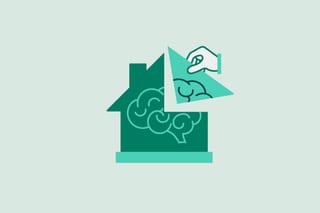
The early language window is a real feature of how our brains develop. It's not just a marketing line. In the first years of life, the brain's auditory cortex, the part that processes sound, is taking in all the sounds in the environment, and learning the patterns in these sounds - understanding words, and grammar. Connections strengthen between the brain cells that work together - laying the foundation for language and learning for the rest of life. This is true for all children.
DHH children can have difficulty speaking if they have difficulty hearing.
For children using technology like hearing aids or cochlear implants, the same biology applies, with one important addition. If they are not hearing all the sounds of their language(s), the brain's information is incomplete. This affects how DHH children learn to listen and speak. But once a child starts wearing hearing devices that help them better hear all the sounds–and if they wear the devices all day, every day–their brain can start discovering the patterns and meaning of the sounds around them.
The sooner a child's brain gets access to all the sounds of their language(s), the better their brain can build its ability to listen and speak.
The window doesn't close overnight, but it does narrow.
You may have read that the window "closes" at age three, or five, or eight, depending on the source. The reality is more complicated. If the auditory cortex of the brain isn't used for listening it starts getting used for something else. If the brain does not get enough sounds consistently, early on, it becomes increasingly difficult to (re)train this brain region to pay attention to the sounds and to learn to understand the meaning of the sounds, even after the child starts using hearing technology.
Ideally, we want DHH children to start using their hearing devices by the time they are 6 months old. Or even younger. But getting an early diagnosis is often dependent on where you live and what resources you have. If your child is already two or three years old, learning to listen isn't impossible, but it will take more effort and time for the brain to learn to listen. The older they are when they start hearing, the more effort it will take. But you can still build daily routines that are rich in listening and language opportunities to support your child's language development. For children starting after 18 months, working with highly qualified professionals–teachers of the deaf and speech language pathologists who are listening and spoken language specialists–is especially important.
What the research consistently shows about language development and age
A few key findings have been validated again and again in the research on early language and DHH children. These are the ones we have most confidence in:
- Early identification and early access to sound matters. Children who are diagnosed early, start using hearing technology early, and get intentional, high quality language input designed to build their listening and spoken language skills, can learn to speak just like other hearing children of their age.
- Consistent device use matters. The brain cannot build robust listening and language pathways from occasional access to sound. Wearing hearing aids or cochlear implants for the majority of waking hours, every day, is one of the single most important things a family can do.
- Responsive interaction with adults matters more than merely word count. Engaging in meaningful "conversations" i.e. back and forth dialogues about something important to the child, is much more effective than just being exposed to words or directions.
- Regular engagement beats occasional bursts. Language is built through repeated, low-stress, familiar interactions, not in a few, occasional, intensive sessions. Small, light conversations during normal daily routines, like getting dressed and having breakfast, do much more for language development than a once-a-day intensive activity.
Learn more about the robust evidence-based foundations of SparkMinds on our Science page.
What this means in your home
Steady, small, repeated effort beats heroic bursts.
- Work with your pediatric audiologist to make sure that your child's hearing devices are programmed or set to be right for your child's hearing.
- Do your best to keep devices on, charged, and working. Get into the habit of doing a listening check every day to check how your child is responding to sounds.
- Use everyday opportunities to build listening and language skills. The repetition and predictability of these routines will help your child learn.
- Keep having conversations. Speak with your child about what's happening in the moment, in short, clear sentences, when your child is listening.
- Give the child time to respond.
- Let yourself off the hook on days when you can't do any of this. Every day is a good day to try again. 🙂
How SparkMinds helps
SparkMinds turns the ideas above into a low-stress daily practice that matches your child's listening stage and your family's routines. Nothing complicated. A reminder to wear hearing devices and do a listening check, individualized activity suggestions customized to your child's age and listening stage. Over weeks and months, your small, consistent actions add up to real progress.
If you would like to be part of building these daily habits with us, we are onboarding Founding Families now.
Learn more
 ArticleBrain Architecture: An ongoing process that begins before birthLearn how the brain’s basic architecture is constructed through an ongoing process that begins before birth and continues into adulthood.developingchild.harvard.edu(external link, opens in a new tab)
- ResearchCortical development, plasticity and re-organization in children with cochlear implantsAnu Sharma, Amy Nash and Michael Dorman review the sensitive period for central auditory development and what it means for the timing of cochlear implantation.pmc.ncbi.nlm.nih.gov(external link, opens in a new tab)